


When you first hear the name Undergraduate by Hilton, it might make you think of dorm rooms, late-night study sessions, or a quirky college-themed café. But behind this intriguing trademark lies a carefully crafted business strategy. Hilton, one of the world’s leading hospitality brands, isn’t just throwing around fun names — they’re exploring a new niche in the hotel and real estate market. This trademark suggests a focus on college towns, student travel, and young-adult lifestyles, offering a fresh alternative to traditional hotels. It’s a smart move that combines brand expansion, market differentiation, and long-term growth. In this article, we’ll dive into what Undergraduate by Hilton really represents, why Hilton chose this approach, and what it reveals about how big companies innovate. Along the way, we’ll explore its potential impact on travelers, college towns, and even entrepreneurs thinking about brand strategy.
Read More: How Mark Cuban Pharmacy Innovation Is Quietly Transforming Affordable Healthcare in Real Ways
What Is Undergraduate by Hilton — Really?
First things first: Undergraduate by Hilton is an official trademark that Hilton has filed in various markets. It’s not just a random phrase someone joked about at a meeting. Hilton Worldwide and affiliated companies have filed trademark applications in places like Canada and the European Union — and similar names like Undergrad by Hilton are being pursued in the United States.
But here’s the thing: this isn’t a trademark for college textbooks or school supplies. Far from it. In the filings, the mark Undergraduate by Hilton is tied to services like real estate management, rental of apartments, hotel accommodations, food and drink services, restaurants, and more.
So what’s going on here? Why is Hilton applying for trademark protection in hospitality and real estate categories with a name that evokes college life?
A Smart Brand Strategy — But What’s the Strategy?
Every big company has a long-term plan for growth. With hospitality giants like Hilton, that strategy often includes finding new “swim lanes” — new corners of the travel and lodging market they can play in without stepping on their existing brands too much.
You’ve probably heard of Hilton’s big hotel brands like Hilton Hotels & Resorts, DoubleTree, or Hampton by Hilton. And in recent years, Hilton added Graduate Hotels to its portfolio — a boutique-style brand that focuses on college-town hotels and celebrates local university culture.
Now it seems like Hilton might be doubling down on that college-themed idea. According to industry reporting, Undergraduate by Hilton could become a lifestyle hotel brand designed especially for small college towns, with simpler operations and a friendlier price point than some of its other brands.
Here’s how I see it:
1. Targeting a Growing Segment
College towns are a unique market. Students, visiting families, alumni, event attendees — all these people need places to stay. And while some traditional hotels cover part of that demand, a brand tailored to the pace and vibe of college life could connect more with that audience.
This is a clever move because it lets Hilton expand its reach without diluting its existing brands. Instead of squeezing every guest into the same mold, it says, “Hey, we get you.” That kind of messaging matters, especially to younger travelers who care as much about a brand’s personality as its price. In marketing terms, this is brand differentiation at work.
2. Responding to Market Trends
Hospitality trends have shifted over the years. Luxury hotels are always here, but there’s massive growth in lifestyle stays, boutique hotels, and affordable options that still feel unique. Brands like Moxy and Aloft have shown the power of quirky, youthful energy in the hotel space.
Undergraduate by Hilton could be Hilton’s way of capturing some of that vibe — but with a focus on academics and student life rather than generic “millennial fun.” The trademark tells us they want the name protected before competitors beat them to it.
3. Protection Before Expansion
You’ve probably heard the phrase “name is an asset.” In business lingo, that’s not just cute — it’s serious. A brand name can be one of the most valuable parts of a company’s portfolio.
When Hilton trademarks something like Undergraduate by Hilton, it’s thinking ahead. Whether they launch actual hotels, apartments, or other services under this name, the trademark stops others from using it in similar industries. It’s like putting a “reserved” sign on the name before the market even knows what to expect.
What This Trademark Means for Entrepreneurs
For entrepreneurs, the Undergraduate by Hilton trademark is a great reminder of how important it is to think about intellectual property early. Even if your business seems small or completely different from Hilton’s, trademarks can still affect you. Hilton has protected this name in hospitality and real estate categories, which means anyone trying to use a similar name in related industries could run into legal issues. It’s a clear example of why checking trademarks before launching a product, service, or even a website is crucial. Beyond the legal aspect, it also shows how big companies identify opportunities and stake their claim before competitors do. For startups, this is a lesson in proactive planning — your brand name is one of your most valuable assets. Protecting it early not only prevents headaches later but also helps you build credibility and trust with customers from day one.
What Undergraduate by Hilton Might Look Like
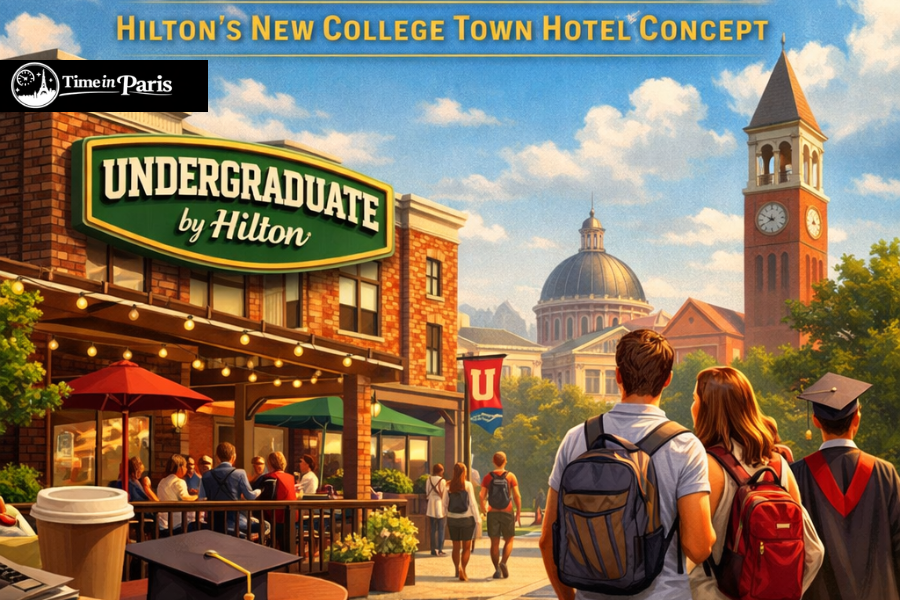
While Hilton hasn’t officially launched Undergraduate by Hilton hotels yet, we can imagine what this brand might look like based on trademark filings and industry trends. Picture cozy, boutique-style hotels in college towns, designed with students, families, and alumni in mind. The décor could be playful yet comfortable, blending local college spirit with a modern, welcoming vibe. Think common areas that feel more like a student lounge than a traditional hotel lobby, coffee bars that double as casual meeting spots, and event spaces for graduation parties, alumni reunions, or campus events. Pricing would likely be more accessible than luxury Hilton properties, making it appealing to younger travelers or families visiting campus. Essentially, it could fill a niche between a traditional hotel and a short-term rental, offering reliability, local charm, and a fun atmosphere all in one. If done right, it could become the go-to choice for college-town stays.
What I Think Personally
As someone who grew up around college campuses and knows how chaotic those weekends can be, a concept like Undergraduate by Hilton actually makes a lot of sense. There’s a market that’s energetic, event‑driven, and full of people who want reliable service without paying hotel luxury prices.
Plus, from a branding perspective, Hilton protecting this name early shows strategic thinking. Rather than waiting to see what happens, they’re taking a proactive step. It’s something small businesses should notice too — names matter more than you think.
Read More: The Business Journey of Kamlesh Kurani Wichi: From Startup to Success
Final Thoughts
The Undergraduate by Hilton trademark isn’t just a quirky name on a legal form. It’s a window into Hilton’s broader strategy — a way for a global company to explore new markets, connect with a younger audience, and build another piece of its brand empire.
Whether this trademark becomes a full hotel rollout or evolves into something even bigger, it’s a fascinating example of how strategy and branding dance together in the business world.
And if you’re building your own brand? Take a page from Hilton’s playbook: think about names early, protect what you create, and always keep an eye on the future.
