


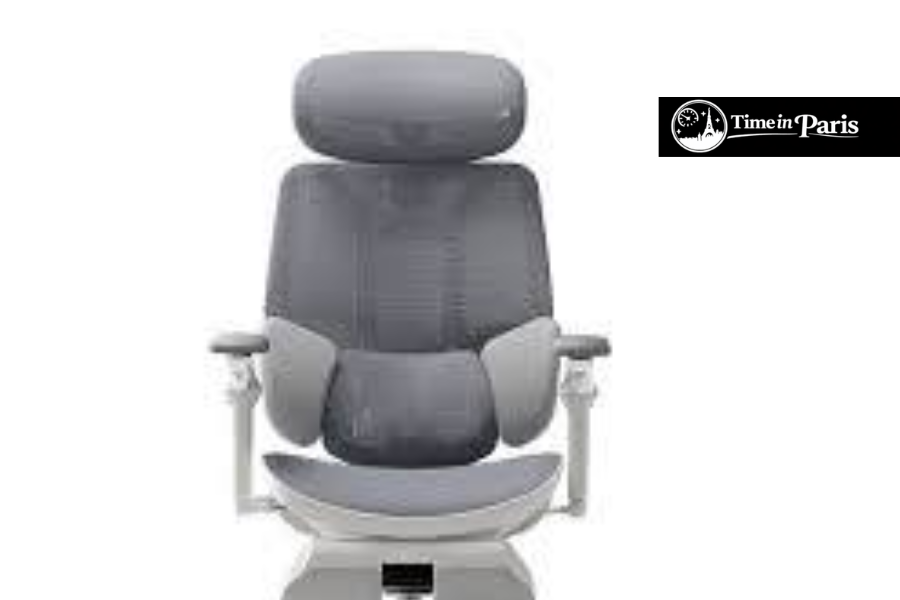
When you walk into an office furniture store or scroll through online catalogs, you might notice something curious: a lot of office chairs come with fixed arms. At first, it can seem a bit restrictive. After all, adjustable armrests give the impression of more comfort and flexibility. But there’s a reason so many chairs stick with fixed arms, and it’s not just about cutting costs. These armrests are carefully designed to provide stability, durability, and ergonomic support for a wide range of users. From reducing shoulder strain to offering a consistent resting place for your arms, fixed arms play a subtle but important role in office comfort. They are a practical solution that balances design, functionality, and long-term use. In this article, we’ll explore why fixed arms are so prevalent, their impact on comfort and ergonomics, and what makes them a smart choice for many workplaces.
Read More: Servantful: The Ultimate Platform to Hire Trusted Helpers and Simplify Your Life
The Role of Fixed Arms in Chair Design
Office chairs are not just about looking nice—they are carefully designed to balance comfort, durability, and practicality. Fixed arms are a design choice that manufacturers often make for several reasons. First, they simplify the chair structure. By keeping the arms in one position, the chair can maintain a stable frame without complicated mechanisms. This stability is important, especially for chairs that are used daily for hours at a time.
Another reason is cost-efficiency. Adjustable arms require extra engineering, metal or plastic parts, and testing to ensure they are durable. Fixed arms, on the other hand, are simpler to produce, which often makes the chair more affordable without compromising on overall comfort.
Comfort and Fixed Arms: Why They Still Work
You might assume that fixed arms would feel restrictive or uncomfortable. Surprisingly, for many people, they actually work quite well. Fixed arms are generally positioned in a way that supports natural posture, especially for people who spend long hours typing at a desk. They provide a consistent resting place for your arms, which can help reduce shoulder strain over time.
Of course, comfort can be subjective. Some users prefer adjustable arms to match their height or desk setup. But many office chairs are ergonomically designed so that fixed arms fit most body types comfortably. This design consideration is why you’ll still see them widely used in offices around the world.
Ergonomics and Workplace Productivity
Ergonomics is a buzzword you hear a lot, and for good reason. Your chair can have a big impact on your posture, comfort, and productivity. Fixed arms, when properly designed, encourage a neutral arm position, keeping elbows close to the body and wrists aligned while typing.
Interestingly, some studies suggest that having a consistent arm position can reduce unnecessary movement throughout the day. Adjustable arms sound great in theory, but if they are constantly moved or set incorrectly, they can actually increase strain rather than reduce it. Fixed arms remove that guesswork and give a reliable, stable position.
The Practical Side: Space, Durability, and Maintenance
Another reason fixed arms are common is practicality. Adjustable arms take up more space and can sometimes limit how close you can sit to a desk. Fixed arms, in contrast, are predictable—they let you slide your chair under a desk easily without worrying about arm mechanisms getting in the way.
Durability is another factor. Every moving part in a chair is a potential weak point. Fixed arms are sturdy, rarely break, and require minimal maintenance. In busy offices, where chairs get a lot of use, this reliability is a huge advantage.
Read More: Application Mobile Dualmedia: Features, Benefits, and How It Simplifies Your Life
Observations from Real Office Users
From my own experience, I’ve noticed that people often overlook the subtle benefits of fixed arms. In one office I worked in, everyone had fixed-arm chairs. At first, I thought adjustable arms would be more flexible, but after a few weeks, I realized my posture felt more consistent, and I had fewer shoulder aches.
Some people even develop a kind of muscle memory with fixed arms. Your arms naturally rest in a familiar position, and over time, it feels almost like the chair “knows” the shape of your working posture. It’s a small detail, but it can make long hours at a desk surprisingly comfortable.
Are Fixed Arms Right for Everyone?
Not necessarily. People with very specific ergonomic needs, unusual desk setups, or varying height requirements might benefit more from adjustable arms. But for most office environments, fixed arms strike a good balance between comfort, durability, and cost.
If you’re buying a chair for personal use, it’s worth trying it out in person. Sit at your desk, rest your arms naturally, and see if the fixed position feels supportive. Many office chairs today are designed with a slightly curved or padded fixed arm, making them surprisingly cozy.
Read More: How Mark Cuban Pharmacy Innovation Is Quietly Transforming Affordable Healthcare in Real Ways
Final Thoughts: Appreciating the Subtle Design Choice
Fixed arms on office chairs may seem simple, even a bit old-fashioned, but their widespread use is no accident. They represent a thoughtful balance between comfort, durability, and practicality. While adjustable arms offer flexibility, fixed arms provide a consistent, reliable support that helps maintain proper posture and reduce strain over long hours of work. Their sturdy design means fewer mechanical issues, less maintenance, and a predictable experience every time you sit down. For many workplaces, this reliability is invaluable, especially in high-use environments where chairs endure daily wear and tear. Beyond functionality, fixed arms subtly guide users into ergonomic positions, supporting productivity without demanding constant adjustments. In the end, they remind us that design doesn’t always need to be flashy to be effective. Sometimes, the simplest choices—like fixed armrests—offer the most comfort, stability, and long-term value, quietly enhancing our daily work life.
